February 10, 2025
Accounting for Cryptocurrency: Navigating the Digital Frontier
Dr. Ahmad Al Astal

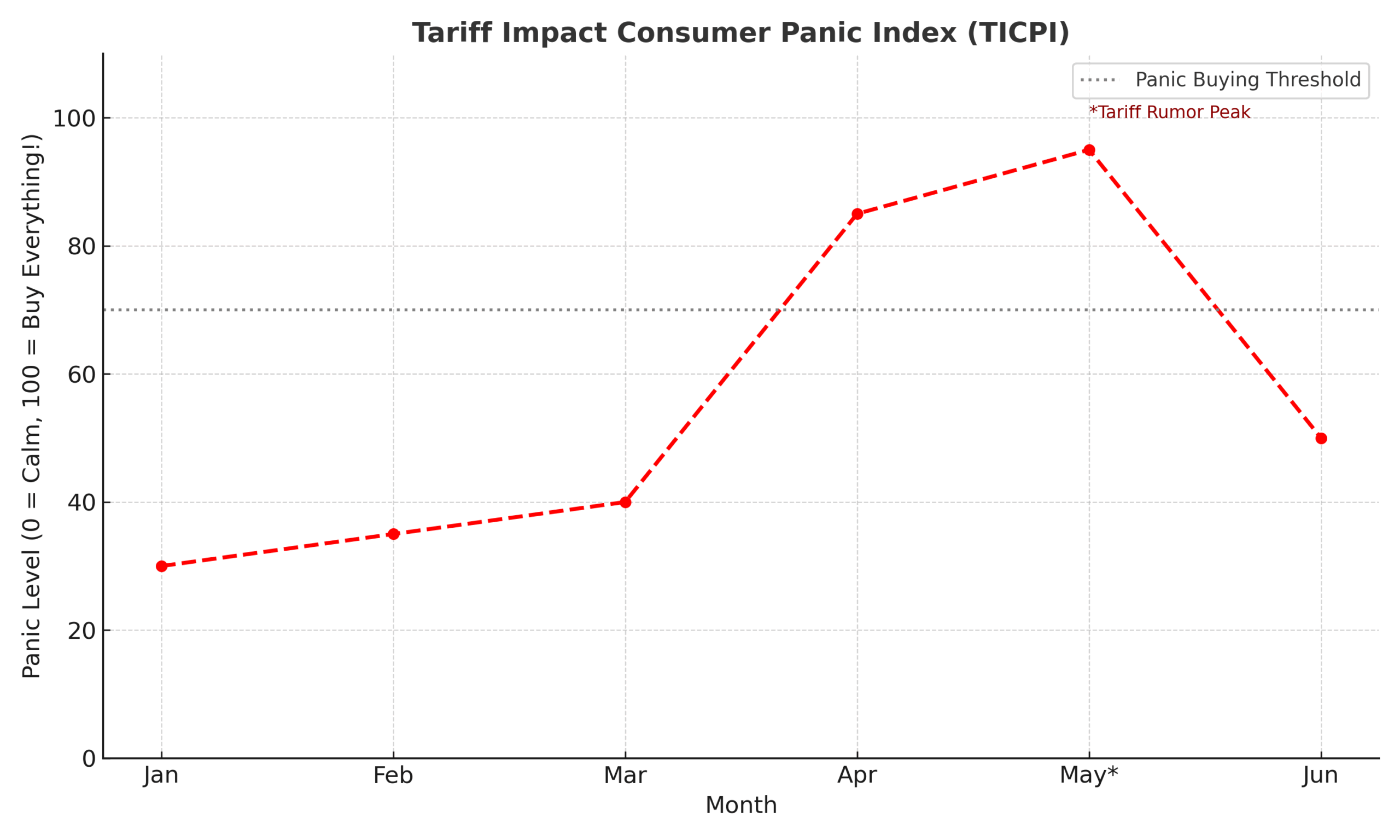
Tariffs, Hybrids, and Panic-Buying: America's New Favorite Motorsport. An analysis of the economic impact of recent trade policies.
In April, Japanese automakers Toyota, Honda, Subaru, and Mazda collectively sold 464,372 vehicles in the U.S. market, driven largely by consumer anxiety over impending tariffs announced on "Liberation Day of USA." This surge in sales represents a significant departure from normal market patterns and reveals the profound impact that trade policy announcements can have on consumer behavior.
These manufacturers import varying percentages of their vehicles from Japan. Mazda ships approximately 70% of its U.S. supply from Japan, making it particularly vulnerable to tariff impacts, while Honda imports less than 1%. The disparity in import dependence explains the different degrees of panic-buying behavior observed across brands.
Tariffs are effectively triggering panic-buying and pulling forward consumer demand rather than achieving stated economic protection goals. This surge is expected to create a demand drought in the third quarter.
The analysis reveals that tariffs are effectively triggering panic-buying and pulling forward consumer demand rather than achieving stated economic protection goals. Consumers rushed to purchase vehicles before anticipated price increases, creating an artificial sales spike that will inevitably be followed by a corresponding decline. This surge is expected to create a demand drought in the third quarter as consumers who would have purchased later have already made their acquisitions.
The irony is notable: consumers aren't necessarily embracing environmental sustainability by purchasing hybrids—they're simply avoiding higher prices through expedited purchases before tariff implementation. The environmental benefit is merely a byproduct of economic anxiety rather than genuine ecological concern.
Dr. Tanvir Hussein
Head of Accreditation & Ranking, Gulf University
Last Updated: 09 Apr 2026