March 31, 2026
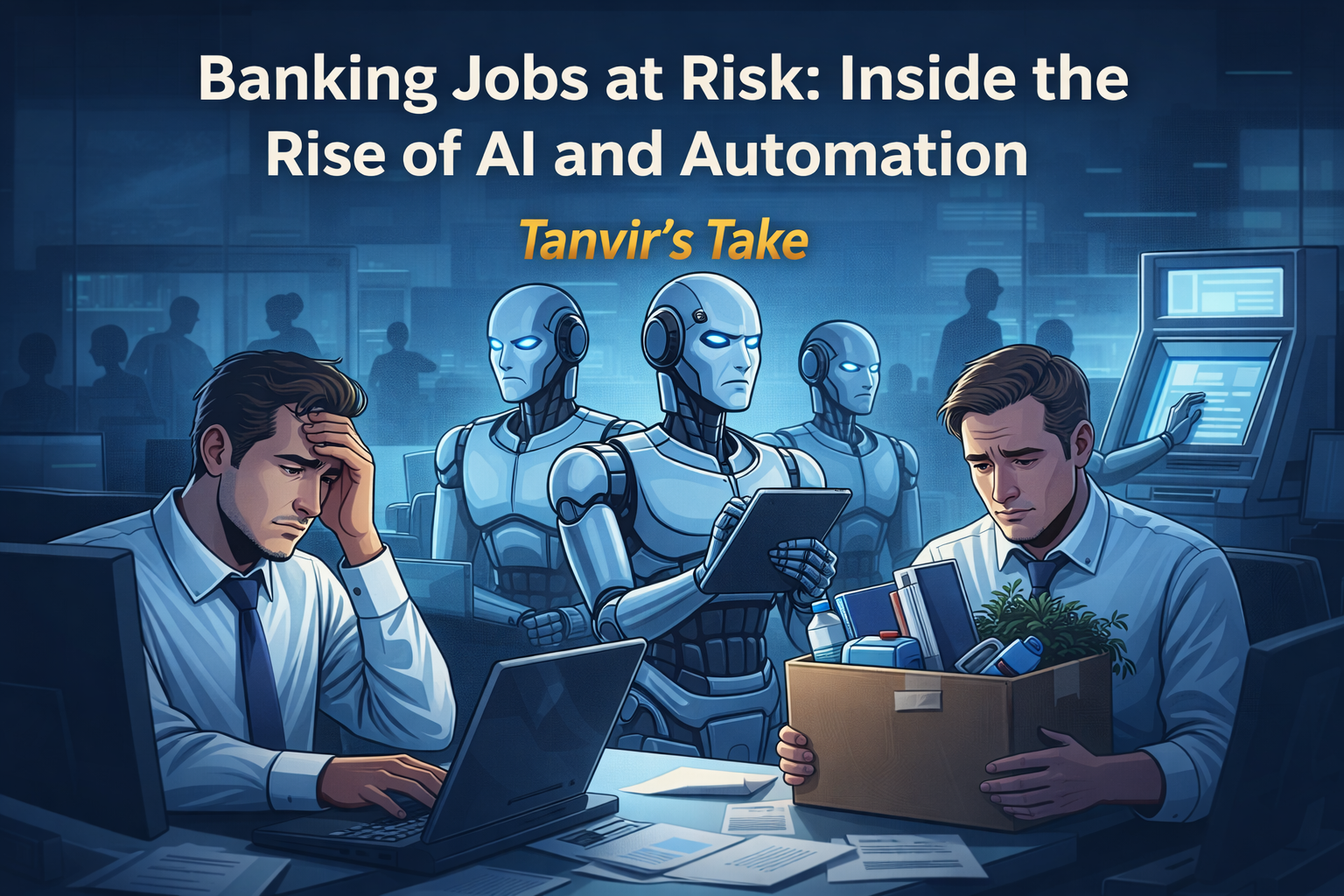
Banking Jobs at Risk: Inside the Rise of AI and Automation
Dr. Tanvir Hussein


Learn how AI is reshaping cybersecurity in Bahrain’s banks—detecting threats faster, preventing fraud, and improving data protection.
Let’s be honest—banking today looks very different from what it did just a few years ago. From mobile apps to instant transfers, everything is faster and more convenient. But behind the scenes, there’s a growing concern: cybersecurity. As digital banking expands across Bahrain, cyber threats are becoming smarter and more frequent. That’s where artificial intelligence (AI) steps in. But here’s the twist—AI isn’t just helping banks fight cybercrime. It’s also being used by attackers.
Bahrain is one of the region’s leading financial hubs. With strong fintech growth and digital adoption, banks are handling more data than ever. And where there’s data, there’s risk. More customers using online and mobile banking, growth of fintech and digital services, increased data sharing and cloud usage, and rising number of cyberattacks targeting financial institutions mean banks can’t afford to rely on traditional security anymore.
AI can scan huge amounts of data in seconds. If something unusual happens—like a login from a new country or a strange transaction—it gets flagged immediately.
By analyzing spending habits, AI can detect unusual purchases, unexpected account activity, and behavior that doesn’t match your profile.
AI helps banks add extra layers of security by monitoring user behavior, detecting unusual access patterns, and triggering extra verification.
AI can automatically isolate affected systems, stop attacks from spreading, and alert security teams instantly.
While AI is incredibly powerful, it’s also being used by cybercriminals. The same technology that helps banks defend their systems can be used by attackers. Cybercriminals can use AI to create more convincing phishing scams, identify system vulnerabilities much faster, and launch smarter, harder-to-detect attacks. This is why AI is often described as a double-edged sword.
Even with advanced AI systems in place, banks in Bahrain still face serious cybersecurity risks. Common threats include phishing attacks through fake emails or messages, ransomware that locks systems for financial gain, DDoS attacks that disrupt banking services, insider threats where employees misuse access, and advanced, highly targeted cyberattacks on financial institutions.
To make the most of AI, banks need to take a strategic approach. This includes starting with small pilot projects, investing in strong data infrastructure, building teams that combine expertise in both AI and cybersecurity, training employees on cybersecurity awareness, and establishing clear guidelines for the ethical use of AI.
Artificial intelligence is changing the game for cybersecurity in Bahrain’s banking sector. It’s helping banks detect threats faster, prevent fraud, and protect customer data more effectively than ever before. But it’s not a magic solution.
The real advantage comes from how banks use AI—not just that they use it. The future of banking security in Bahrain will depend on one thing: staying one step ahead of the threats.
Mr. Ali Haji
Gulf University
Last Updated: 09 Apr 2026